A repeatable learning cycle: situation, method, practice, review.
CivicLayer Digital is built around an explicit learning sequence so learners can understand how each explanation connects to a real digital task.
Read the situation
A unit begins with a specific professional context: a shared file needs review, an update must cross time zones, a table contains inconsistent records or a recurring task has unclear ownership.
See the method
The lesson introduces one practical model. Explanations stay narrow enough to apply immediately instead of becoming long tours of software features.
Produce or revise
The learner edits a sample, drafts a message, restructures a workflow or cleans a table. The activity creates evidence that can be reviewed.
Compare and note
A worked example or checklist helps the learner compare decisions and record one improvement to carry into the next exercise.
Manageable sessions without losing the thread of the programme.
Most self-paced sessions are designed for approximately 35 to 60 minutes. That is long enough to understand a situation and complete a small exercise, but short enough for the objective to remain visible.
Later tasks deliberately reuse earlier ideas. A learner who has practised an asynchronous update may later attach that update to a workflow hand-off. Someone who has cleaned a table may later create a short operational summary from the same type of information.
Progress markers can show which practice sets are complete, but completion is not treated as proof of mastery. Learners are encouraged to return to earlier examples where a method still feels uncertain.

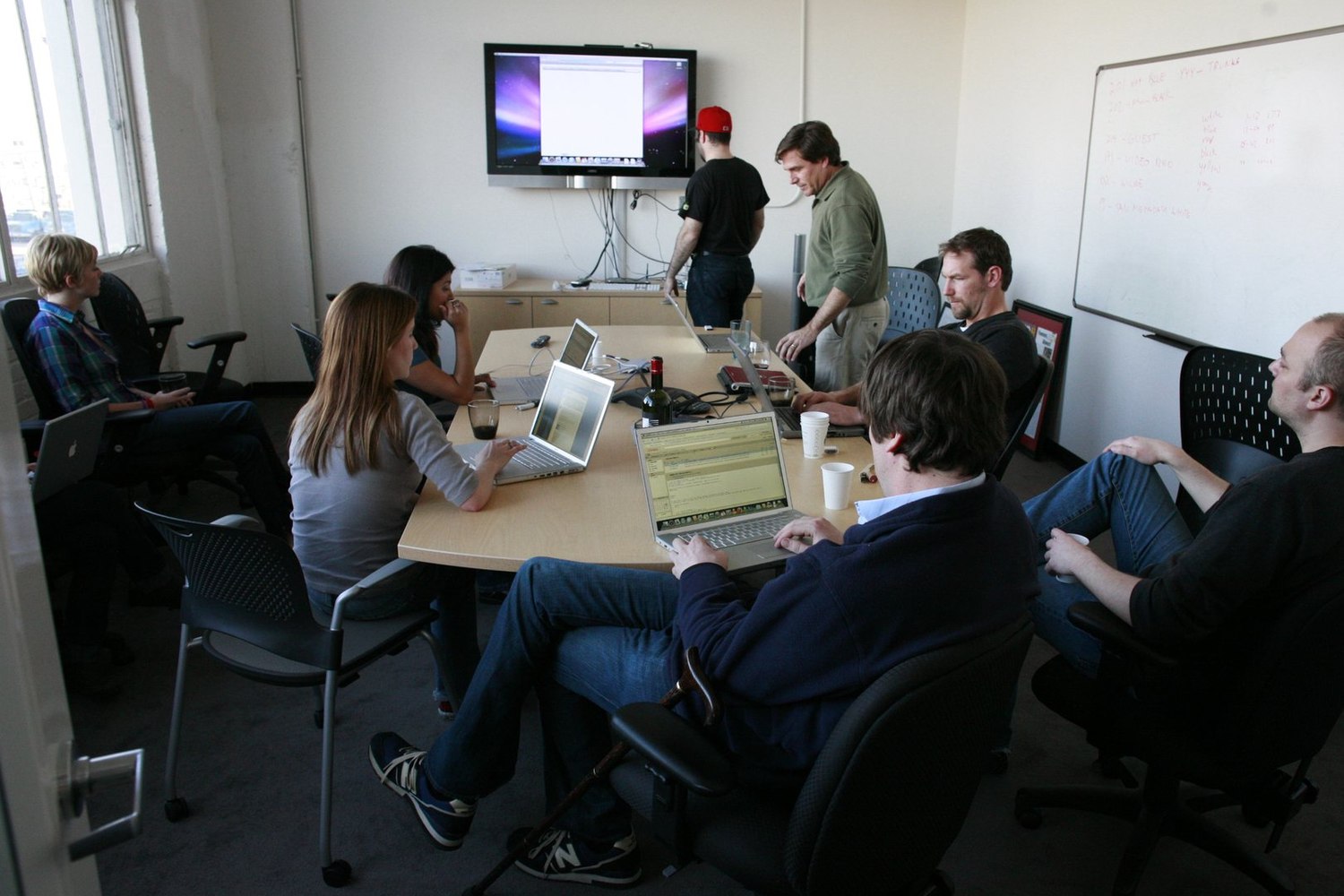
Discussion is connected to the practice material.
Selected programmes may include optional live online sessions. These sessions are used to walk through difficult cases, compare approaches and clarify how the practice material is intended to be used.
A live session might review a sample hand-off, examine why a table structure is difficult to filter or compare several ways of documenting a decision. The format remains educational and does not become individual consulting or guaranteed career coaching.
Where a live component is included, the programme page identifies the number of sessions and scheduling format before registration.
Feedback focuses on the work product and the method
Review material avoids vague grading language. Questions focus on observable features: whether the next action is visible, whether a record has consistent fields, whether a decision can be found later, whether a file name communicates its purpose or whether a message contains enough context for its audience.
Worked examples show one practical approach and explain why it was chosen. When several answers are reasonable, the programme describes the trade-offs instead of pretending that one convention works everywhere.